


Sustainable Cutlery Options: Paper, Wood, Bagasse, CPLA, Edible, Steel

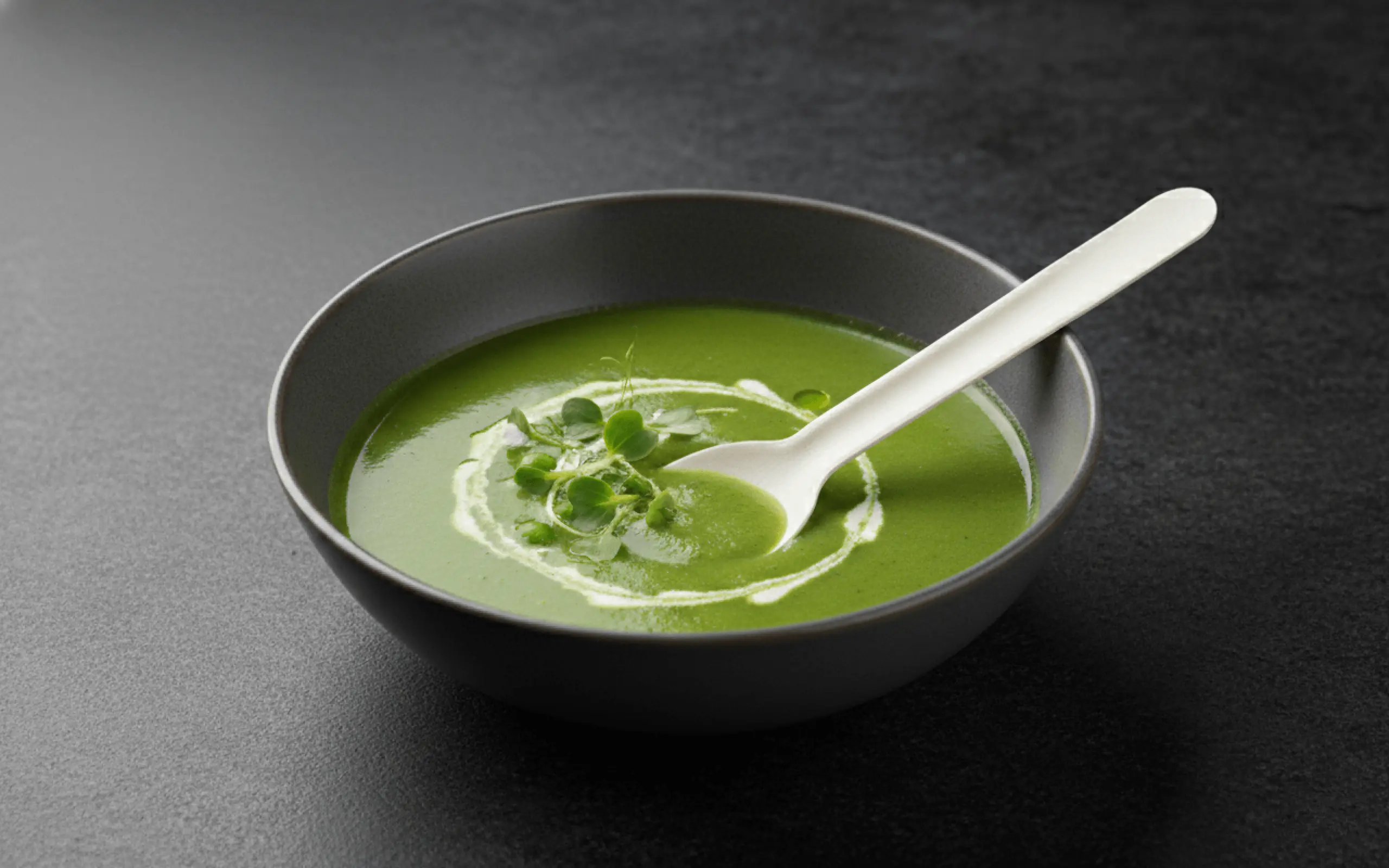
Sustainable cutlery means a spoon, fork or knife that does its job without leaving single-use plastic behind, and in 2026 that comes down to six options: reusable steel, paper, wood, bagasse, CPLA and edible cutlery. Each wins somewhere and loses somewhere, mostly in hot food and in what happens after the meal.
We are Epherware, a paper cutlery manufacturer in Rajkot, India, so we make one of the six. This guide compares all six in one table, gives each an honest section with a link to the deep-dive comparison, then covers how to choose by use case, India’s plastic ban and dated prices.
Key takeaways
- Reusable steel is the most sustainable cutlery wherever you can wash it; the other five are for food that leaves the building.
- Plastic cutlery has been banned in India since 1 July 2022. Paper, wood, bagasse and edible cutlery are outside the ban when they have no plastic coating or lamination; compostable plastic (CPLA) needs a CPCB certificate.
- Hot, wet food separates the options. Ask for GSM and layer count on paper and a heat rating on CPLA, and test every sample in your hottest dish.
- Listed B2B prices seen in October 2026, per piece before GST: paper ₹0.60–₹2.52, wood ₹0.32–₹2.00, PLA/CPLA ₹1.00–₹5.00, edible ₹1.50–₹10.75.
What counts as sustainable cutlery?
Sustainable cutlery is cutlery whose whole life, from raw material to what happens after the meal, leaves less behind than the single-use plastic it replaces, and that depends as much on your waste stream as on the material.
A steel spoon washed a thousand times is the clear winner. A single-use spoon only counts as sustainable if it works: one that bends in dal and gets replaced by a second spoon has doubled its footprint. So this guide judges each option on material, hot-food performance and where it can go afterwards.
Three terms you will meet: GSM is grams per square meter, a measure of how much fiber is packed into paper; bagasse is the fiber left after sugarcane is crushed for juice; CPLA is crystallized polylactic acid, a plant-based plastic heat-treated to tolerate warmer food.
How do the six sustainable cutlery options compare?
Steel wins on reuse, paper and bagasse are the fiber options, wood is the cheapest but uneven in feel, CPLA is plastic by law even though it is plant-based, and edible cutlery is a food with its own rules.
| Option | Made of | In hot food | Feel and taste | After use | Listed B2B price, Oct 2026 (per piece, before GST) |
|---|---|---|---|---|---|
| Reusable steel | Stainless steel | Unaffected | Smooth, neutral | Washed and reused for years | Bought once; not comparable per piece |
| Paper | Paper sheets pressed in a mold. Ours: 9 layers of virgin, food-grade paper, 1025 GSM, 1.2 mm | Depends on density. Ours stayed rigid for 45 minutes in 90–100°C broth (in-house test) | Smooth, splinter-free, taste-neutral (ours) | Fiber biodegrades; compostability of the finished piece depends on binder and coating | ₹0.60–₹2.52 (median ₹1.00) |
| Wood | Birch or similar wood, cut and shaped | Holds its shape; absorbs moisture | Can feel rough, splinter or taste woody; varies by grade | Wood biodegrades; check for plastic film wrapping | ₹0.32–₹2.00 (median ₹0.75) |
| Bagasse | Sugarcane fiber, pulped and molded | Depends on density and treatment; test it | Varies with pulp and pressing | Fiber biodegrades; ask about grease-proofing treatments and coatings | Not collected in our survey |
| CPLA | Crystallized polylactic acid, a plant-based plastic, injection-molded | Varies by grade; check the heat rating | Smooth, plastic-like | Industrial composting only; counts as plastic in India and the EU | ₹1.00–₹5.00 (median ₹1.52), PLA and CPLA listings |
| Edible | Baked dough of wheat, millet or multigrain flour | Absorbs liquid; ask how long it stays firm | Adds its own taste; wheat versions contain gluten | Eaten, or biodegrades as food waste | ₹1.50–₹10.75 (median ₹5.00) |
Price ranges are listed prices seen in October 2026 on Indian B2B marketplaces, excluding GST, not quotes; our paper spoon price survey lists every listing behind them. Our own indicative price is up to ₹1.35 per piece for the Classic Paper Spoon, Precision Paper Fork and Serrated Paper Knife and up to ₹1 for the Dessert Paper Spoon; prices move with market rates, so contact us for the latest.
Is reusable steel the most sustainable cutlery?
Yes, reusable steel is the most sustainable cutlery wherever you can collect, wash and reuse it, because one spoon replaces thousands of single-use pieces, and nothing we sell changes that.
Steel stops making sense when the spoon leaves with the food: delivery, takeout, outdoor events, hospital trays and ice-cream counters send cutlery somewhere it will not come back from, and that is the only place single-use options belong.
Is paper cutlery sustainable?
Paper cutlery is a fiber-based single-use option that sits outside India’s plastic ban when it has no plastic coating or lamination, and its sustainability rests on responsibly sourced paper and on working well enough to be used once rather than replaced.
We press ours from 9 layers of virgin, long-fiber, food-grade paper with FSC-certified sourcing, compressed to 1025 GSM and 1.2 mm thick. It is smooth, splinter-free, taste-neutral and freezer safe, and in our in-house test the Classic Paper Spoon stayed rigid in 90–100°C broth for 45 minutes without furring or taste transfer.
Honest limits: paper is not for the microwave or for cutting tough food, and low-density paper spoons go soggy, so ask any supplier for GSM, layer count and fiber type.
Is wooden cutlery sustainable?
Wooden cutlery is a plastic-free, biodegradable option and usually the cheapest single-use choice, with bulk listings at ₹0.32–₹2.00 per piece in October 2026; its weak point is the eating experience.
Wood holds its shape in hot food but absorbs moisture, and depending on the grade it can feel rough on the lips, splinter at the edges or add a woody taste to ice cream and desserts. Quality varies between lots, so test each shipment and check it is not wrapped in plastic film. Our paper vs wood cutlery comparison covers feel, taste, moisture and branding.
Is bagasse cutlery sustainable?
Bagasse cutlery is molded from the sugarcane fiber left after juice extraction, so it uses an agricultural by-product and is plastic-free unless it has been coated; its real strength is plates, bowls and clamshells rather than spoons.
For cutlery, hot-food performance depends on pulp density and treatment, so test it in your hottest dish and ask what grease-proofing treatment, if any, was applied. For sustainable plates and cutlery together, bagasse plates with paper cutlery is a common pairing. Our paper vs bagasse cutlery comparison covers the PFAS question and compostability.
Is CPLA cutlery sustainable?
CPLA cutlery is made from plant-based polylactic acid, but it is still a plastic under Indian and EU rules and only breaks down in industrial composting, so it is sustainable only where that composting actually exists.
In India, compostable plastic cutlery is legal only when its maker holds a CPCB certificate, so ask for it before you buy, and heat tolerance varies by grade, so check the rating for hot food. Our paper vs CPLA cutlery comparison covers heat, composting and legal status in India and the EU.
Is edible cutlery sustainable?
Edible cutlery is baked from wheat, millet or multigrain dough, so the most sustainable thing you can do with it is eat it; what is left behind is food waste, not packaging.
It absorbs liquid, so it suits desserts, tastings and cold treats better than a bowl of sambar; it adds its own flavor; wheat-based pieces contain gluten; and because it is a food, FSSAI licensing and labeling apply, with a shelf life in months, not years. It was also the most expensive option in our October 2026 survey, at ₹1.50–₹10.75 per piece. Our paper vs edible cutlery comparison covers allergens, shelf life and price.
How do you choose sustainable cutlery for your business?
Choose by where the cutlery ends up: steel if it comes back to a sink, dense paper for hot delivery food, a small paper spoon for ice cream, and edible pieces only where eating the spoon is part of the experience.
- Food delivery and cloud kitchens. The spoon rides sealed with hot food, so density matters most: use a full-size paper spoon tested in hot broth, and send cutlery only when the customer asks.
- Dine-in restaurants, cafés and QSRs. Steel at the table; for takeout, match the piece to the menu and stock by carton (2,000 spoons, forks or knives; 5,000 dessert spoons).
- Weddings, events and catering. High volumes, no washing, hot gravies: paper spoons and forks, or the Complete Cutlery Kit (spoon, fork, knife, dessert spoon and napkin) for boxed meals.
- Ice-cream parlors and dessert brands. A 95 mm paper dessert spoon is freezer safe and adds no woody taste; edible spoons suit tasting counters.
- Exporters and distributors. Check the destination’s rules on plastic and compostable plastic, and ask every supplier what they can confirm in writing.
What is India’s plastic-ban status for cutlery?
Plastic spoons, forks and knives have been banned in India since 1 July 2022, including their use, so no restaurant, cloud kitchen or caterer may stock or hand them out; compostable plastic cutlery such as CPLA is allowed only when its maker holds a CPCB certificate; and paper, wood, bagasse and edible cutlery are outside the ban when they have no plastic coating or lamination. Enforcement, penalties, state rules and a checklist are in our single-use plastic ban guide.
When is paper not the right choice?
Paper is not the right choice when the cutlery comes back to a dishwasher, when food will be reheated with the spoon inside, or when a dish needs real cutting.
- Dine-in with washing: steel.
- Microwave reheating: our cutlery is designed for serving, not cooking.
- Tough cutting: the Serrated Paper Knife is for soft to medium-texture food and light cutting or spreading.
Frequently Asked Questions
What is the most sustainable cutlery?
Reusable stainless steel, wherever you can wash it, because one spoon replaces thousands of single-use pieces. For food that leaves the building, pick the single-use option that fits the dish and the waste stream: dense paper for hot, wet food, wood for dry snacks, edible for desserts, and CPLA only where industrial composting exists.
Is plastic-free cutlery the same as compostable cutlery?
No. Plastic-free cutlery contains no plastic: plain paper, wood, bagasse and edible cutlery, provided there is no plastic coating or lamination. Compostable cutlery can still be plastic: CPLA is a plant-based plastic that composts only in industrial facilities and in India needs a CPCB certificate. Ask which claim a supplier is making and what document backs it.
Is sustainable flatware the same as sustainable cutlery?
Yes. Flatware and silverware are US terms; cutlery is used in India, the UK and Australia. The answer is the same: reusable steel wherever you can wash it, and for single-use the same five materials, judged on hot-food performance and what happens after the meal.
Which disposable cutlery is best for hot food?
Dense paper or a heat-rated CPLA, and the only way to know is to test a sample in your hottest dish. Ask paper suppliers for GSM, layer count and fiber type, and CPLA suppliers for the heat rating. Our 1025 GSM, 9-layer Classic Paper Spoon stayed rigid for 45 minutes in 90–100°C broth in our in-house test.
Is single-use cutlery banned in India?
Single-use plastic cutlery is banned, since 1 July 2022, including its use by restaurants. Paper, wood, bagasse and edible cutlery are not banned, provided there is no plastic coating or lamination, and compostable plastic cutlery is allowed only with a CPCB certificate. States add their own rules, so check the guide for yours.
Compare the options in your own kitchen
Order samples of two or three options, run each through your hottest dish and coldest dessert, and judge the neck, surface and taste yourself. We send free sample kits of our paper cutlery to qualified food businesses, distributors and importers; include your business email.