


Paper vs Wood Cutlery:
Why Premium Brands Are Switching


How We Compared Paper and Wood
This page is written from our work as a paper cutlery manufacturer in Rajkot. We press 1025 GSM paper spoons, forks, and knives and hear the same issues from QSR and cafe buyers who switched from wood: splinters, moisture uptake, a woody taste with hot food, and limited print options.
We are not a wood mill. Notes on wooden cutlery summarize what those buyers report and what we see in side-by-side handling of both materials in our own packing and sample work. If you want the factory specs behind the paper side of this comparison, see our product collection or how we publish.
What to Choose?

Choose Paper if...
Your priority is comfort, clean presentation, faster breakdown, and easy branding. It offers a premium feel that aligns with modern sustainable values.
Choose Wood if...
Your priority is a rustic, natural look and a firmer, more rigid feel. Wood suits that raw aesthetic, though it can splinter, absorb moisture, and leave a faint woody taste with hot food.

Why More Brands Are Choosing Paper Cutlery
Paper cutlery offers a balance of performance, appearance, and responsible material use. It helps food businesses deliver a better dining experience while supporting the shift toward cleaner alternatives to plastic.
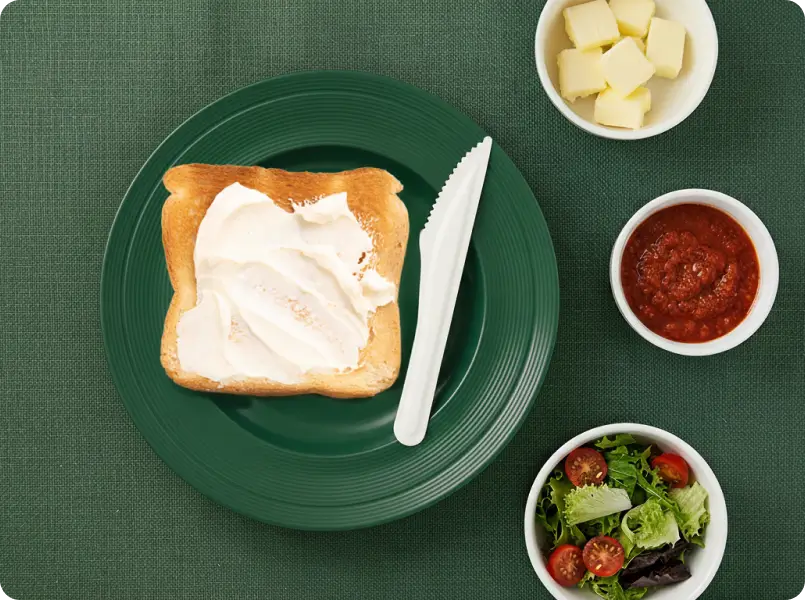
Paper cutlery offers a balance of performance, appearance, and responsible material use. It helps food businesses deliver a better dining experience while supporting the shift toward cleaner alternatives to plastic.
Detailed Comparison

Material & Composition


- Usually made from birchwood or bamboo.
- Natural but often requires heavy processing.
- Coatings often needed for food safety.

Comfort & Use Experience
- Can feel rough or dry.
- Risk of splinters.
- May absorb moisture.
- Can leave a wooden taste, especially with hot food.

Food Performance
- Can feel rough or dry.
- Risk of splinters.
- May absorb moisture.
- Can leave a wooden taste, especially with hot food.

Branding & Customization
- Limited branding options.
- Printing can be inconsistent.
- Natural texture can affect brand visibility.

Sustainability & End of Life
- Takes longer to decompose.
- Bamboo can take years to fully break down.
- Often treated with chemicals during processing.
Storage & Handling
- Heavier and bulkier.
- Can crack or warp in dry conditions.
- Less flexible for packaging formats.