


Paper vs Edible Cutlery: Hot Food, Allergens, Shelf Life and Price

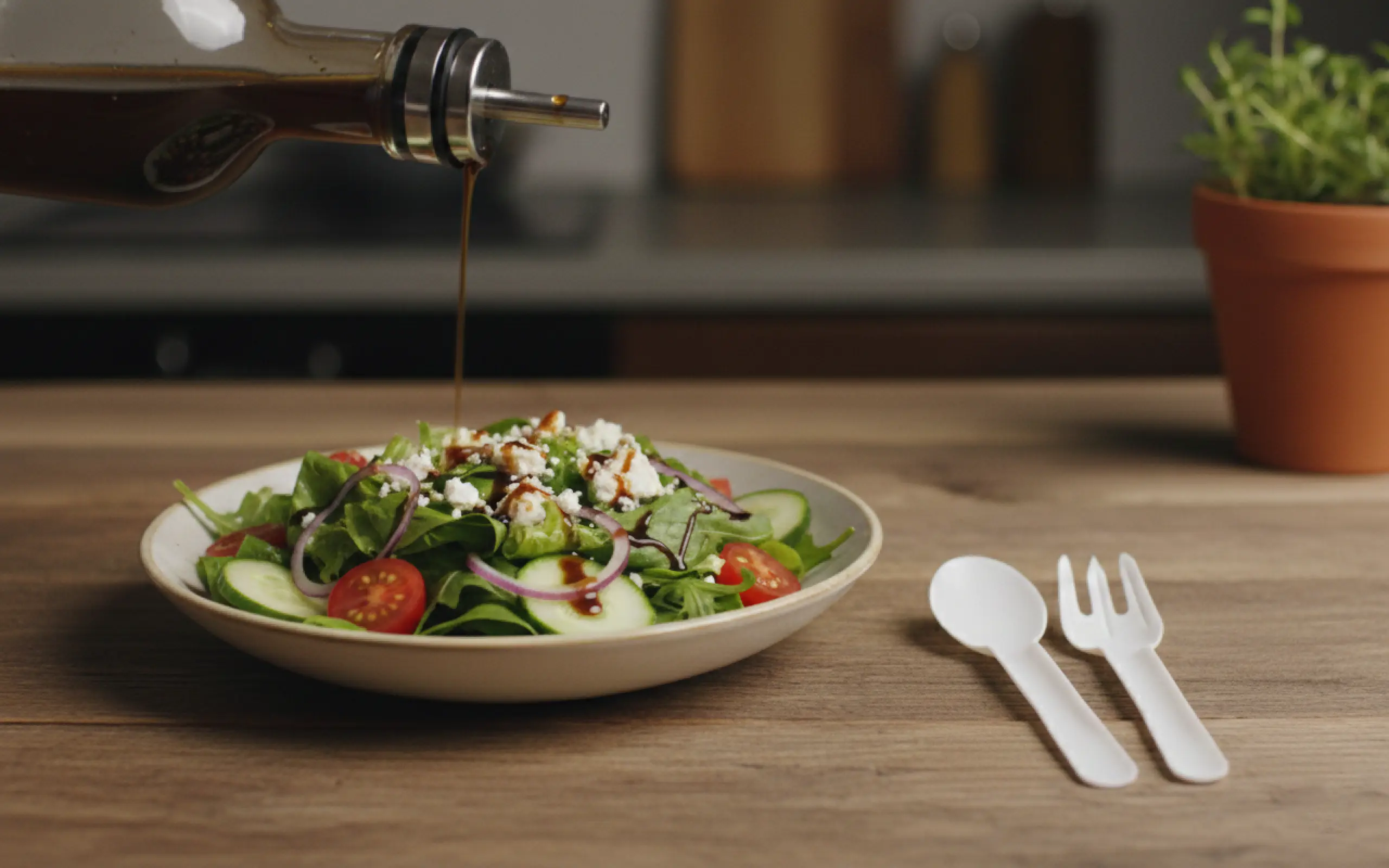
Edible cutlery is spoons, forks and stirrers baked from flour dough, so guests can eat them after the meal instead of throwing them away. It is a clever idea, with real limits in hot, wet food and delivery.
This paper vs edible cutlery guide compares the two on hot food, allergens, shelf life, food-safety rules and price in India. We are Epherware, a paper cutlery manufacturer in Rajkot, India, so we have a side: outside claims link to their sources, and we say when edible cutlery is the better choice.
Key takeaways
- Edible cutlery is food. In India its maker needs an FSSAI license or registration, and packed spoons must carry allergen and expiry details.
- Wheat-based spoons contain gluten. Millet and sorghum are naturally gluten-free, but cross-contact can add gluten, so read the label.
- On 6 October 2026, most edible spoon listings on IndiaMART were priced at about ₹1.50–₹11 per piece, with stated shelf lives of 3 to 12 months.
- Paper cutlery is not for eating. Our 1025 GSM Classic Paper Spoon stayed rigid in 90–100°C broth for 45 minutes in an in-house test and keeps for 2 years in cool, dry storage.
Paper vs edible cutlery: quick comparison
Edible cutlery is a baked food that you eat after the meal, so it absorbs moisture and has a limited shelf life like other baked food; paper cutlery is a single-use utensil that is not for eating.
| Factor | Paper cutlery | Edible cutlery |
|---|---|---|
| What it is | Pressed paper. Ours: 9 layers of virgin, food-grade paper at 1025 GSM (grams per square meter), 1.2 mm thick. | Baked dough of wheat, multigrain or other flours, plain or flavored. |
| Can you eat it? | No. Use it once, then dispose of it. | Yes; that is the point. |
| Hot, liquid food | Ours stayed rigid in 90–100°C broth for 45 minutes (in-house test). | Absorbs liquid; ask the maker how long it stays firm, then test. |
| Taste | Taste-neutral (ours). | Adds its own taste: listings include sweet, salted, mint and pepper. |
| Allergens | Not a food. | Wheat-based versions contain gluten, which labels must declare. |
| Shelf life | 2 years in cool, dry storage (ours). | 3 to 12 months in seller listings. |
| Rules in India | Not on the plastic ban list without plastic coating or lamination. | Not plastic, but a food: FSSAI licensing and labeling apply. |
| Fits best | Hot meals, delivery and long storage. | Events, tastings, desserts and cold treats. |
Comparing other materials? See paper vs CPLA cutlery, paper vs bagasse cutlery and paper vs wood.
What is edible cutlery?
Edible cutlery is cutlery made from food: dough is shaped into spoons, forks or stirrers and baked dry, so each piece can be eaten after use. Seller listings in India describe edible spoons made from wheat flour or multigrain flour, sold plain or flavored, from small ice-cream spoons to full-size table spoons.
If a spoon is sold as millet-based, for example with jowar (sorghum), check whether wheat flour is in the recipe as well; that decides whether it contains gluten.
What does edible cutlery do well?
Edible cutlery’s strengths are zero cutlery waste when it is eaten, a memorable guest experience and a natural fit with desserts and tastings:
- No cutlery waste if eaten. A spoon that is eaten leaves nothing to collect, sort or compost.
- A talking point. Guests notice it, which suits launches, weddings and brand events.
- Desserts and tastings. Sweet or salted spoons pair with ice cream, kulfi or chaat tasting portions that take a few bites.
- Not plastic. It is outside India’s ban on single-use plastic cutlery, in force since 1 July 2022.
Where does edible cutlery fall short?
Edible cutlery’s limits come from being food: it softens in hot liquid, can carry allergens, keeps for months rather than years, can break in transit and adds its own flavor.
- Softening. Baked dough absorbs liquid, and there is no standard test for how long a spoon lasts in hot soup or dal. Ask the maker for a tested figure and try it at your longest dining time.
- Allergens. Wheat contains gluten, and FSSAI labelling rules require packaged food to declare cereals containing gluten, such as wheat, barley and oats. Millet and sorghum are naturally gluten-free, but cross-contact during processing can add gluten.
- Shelf life. Seller listings state shelf lives of 3 to 12 months, so stock must be rotated and stored dry. Our paper cutlery keeps for 2 years in cool, dry storage.
- Breakage. A baked spoon can chip or snap if packed loosely, so check a sample shipment before ordering in bulk.
- Flavor. Listings include sweet, salted, mint, pepper and peri-peri spoons. A flavored spoon adds its own taste to your dish; our paper spoons are taste-neutral.
Is edible cutlery regulated as food in India?
Yes: edible cutlery is meant to be eaten, so in India it is food under the Food Safety and Standards Act, and the business that makes it needs an FSSAI license or, for small operators, registration.
The Act defines food as any substance intended for human consumption, and section 31 bars anyone from running a food business without a license, while petty manufacturers and other small operators must register instead. Packaged spoons also fall under FSSAI’s labelling rules, which require the date of manufacture or packing, an expiry or use-by date and allergen declarations.
So ask any edible cutlery supplier for its FSSAI license or registration number and a sample label. Paper cutlery is not food, so the question there is different: check that it has no plastic coating or lamination.
How much does edible cutlery cost in India?
On 6 October 2026, most edible spoon listings on IndiaMART showed seller-quoted prices of about ₹1.50 to ₹11 per piece, with small ice-cream spoons at the low end. The same day, edible cutlery listings showed a fork at ₹3, a knife at about ₹5 and stirrers at ₹0.70 per piece.
Treat these as starting points, not quotes: a few listings sat far outside that range, and real prices depend on size, flavor, quantity, packing and delivery. They are marketplace listings, not Epherware prices. To compare fairly, cost the usable spoon, adding breakage, stock that passes its expiry date and spoons that soften before the meal ends.
When is edible cutlery the better choice?
Edible cutlery is the better choice when the food is cold or quick to eat, the spoon is part of the experience, and you can store and serve it fresh:
- Weddings and catered events. Guests eat on the spot, so softening and transit matter less; our guide to disposable cutlery for wedding catering covers the rest of the kit.
- Ice cream, kulfi and dessert tastings. A sweet spoon used for a few bites works well.
- Zero-waste events. Where every item must be eaten or composted on site, an edible spoon fits the brief.
- Sampling counters and brand activations. The spoon itself becomes part of the story.
For hot meals, delivery and stock that sits for months, paper is usually the safer choice. Our Classic Paper Spoon is freezer safe, though not for the microwave, and stayed rigid in 90–100°C broth for 45 minutes in an in-house test.
Frequently Asked Questions
How long does edible cutlery last in soup?
It depends on the recipe, thickness and temperature, and there is no standard test. Baked dough absorbs liquid, so expect a limited window in hot soup or dal; ask the maker for its tested figure and check it at your longest dining time. For comparison, our paper spoon stayed rigid for 45 minutes in 90–100°C broth in an in-house test.
Is edible cutlery gluten-free?
Only if both the recipe and the factory are. Wheat-based spoons contain gluten, and FSSAI labelling rules require cereals containing gluten to be declared. Millet and sorghum (jowar) are naturally gluten-free, but cross-contact during milling or baking can add gluten, so people with celiac disease should look for products tested below 20 ppm gluten.
Is edible cutlery good for food delivery?
Usually not for hot meals. Delivery adds time before the first bite, a baked spoon can absorb moisture or break in the bag, and a packed spoon is a pre-packaged food that needs proper labeling. It can work for cold desserts with short delivery times, if you test breakage and freshness first.
Is edible cutlery allowed under India’s plastic ban?
Yes. India’s ban, in force since 1 July 2022, covers single-use plastic items such as cutlery, and edible cutlery is food, not plastic. Because it is food, buy it from a maker with an FSSAI license or registration, and check that packed spoons carry allergen and expiry details on the label.
Can you eat paper cutlery?
No. Paper cutlery is a single-use utensil, not a food, and it is not made or labeled to be eaten. Use it for the meal, then dispose of it as your local waste rules require. If you want cutlery that guests can eat, choose edible cutlery from a food business with an FSSAI license or registration.
Sources
- FSSAI — Food Safety and Standards Act, 2006
- FSSAI — Food Safety and Standards (Labelling and Display) Regulations, 2020 (compendium, September 2021)
- Celiac Disease Foundation — Gluten-free foods
- IndiaMART — Edible spoon listings (accessed 6 October 2026)
- IndiaMART — Edible cutlery listings (accessed 6 October 2026)
- Gazette of India — Plastic Waste Management (Amendment) Rules, 2021
Put paper and edible side by side
Try our Classic Paper Spoon and an edible spoon in the same hot dish at your next tasting, and time them both. We send free sample kits to qualified businesses, such as distributors, QSRs (quick-service restaurants) and HORECA (hotel, restaurant and catering) buyers, on request from a business email.